
Topics

African swine fever: Complex virus leaves many questions unanswered
African swine fever (ASF) is a major viral disease that affects both domestic and wild pigs. The ASF virus was first detected in Africa, from where it has spread worldwide, causing significant economic losses in the pig sector. In Africa the virus is transmitted by soft-bodied ticks, primarily between African wild pig species such as warthogs, bushpigs and brush-eared pigs. However, these species do not usually become infected. In contrast, ASF infection of domestic pigs or Eurasian wild pigs leads to serious disease, often accompanied by high mortality. Transmission between domestic pigs and Eurasian wild pigs mainly occurs through direct animal-to-animal contact or through contaminated products. There are currently no registered vaccines or treatment options. ASF poses a threat not only to the pig sector, but also to wild pig populations.
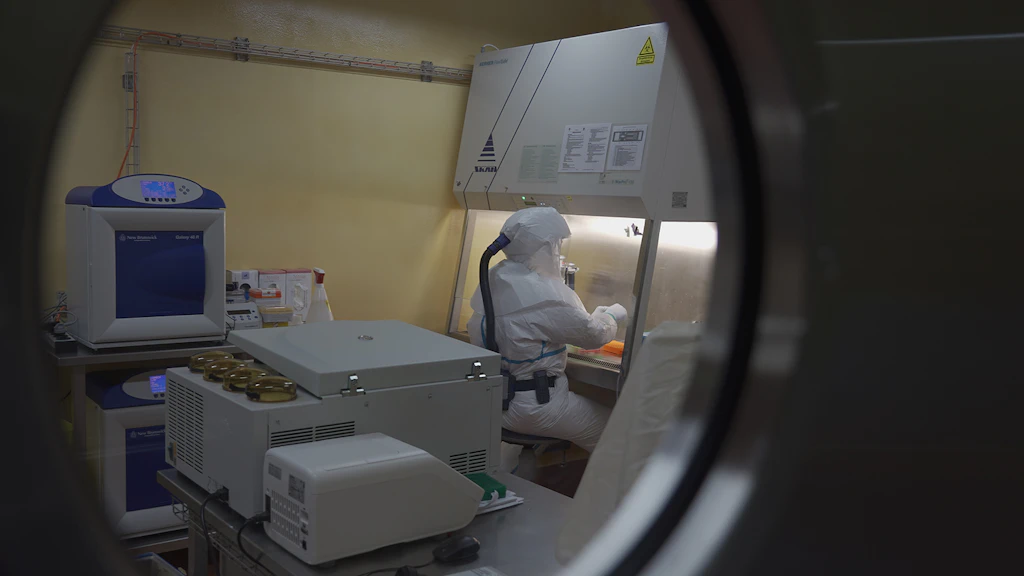
Coronaviruses cause respiratory and enteric viral infections and zoonoses
IVI coronavirus research is conducted in a biosafety level 3 laboratory. Researchers wear full-body protective suits that also cover the head. Virus work is carried out with extreme care using a biological safety cabinet.

Influenza viruses – a global threat to humans and animals
Waterfowl are a natural reservoir for influenza A viruses. They excrete large quantities of infectious viruses into the environment via their faeces. This can lead to transmission to other species such as domestic poultry, pigs or mink, which – as intermediate hosts – can play a decisive role in the emergence of influenza pandemics.
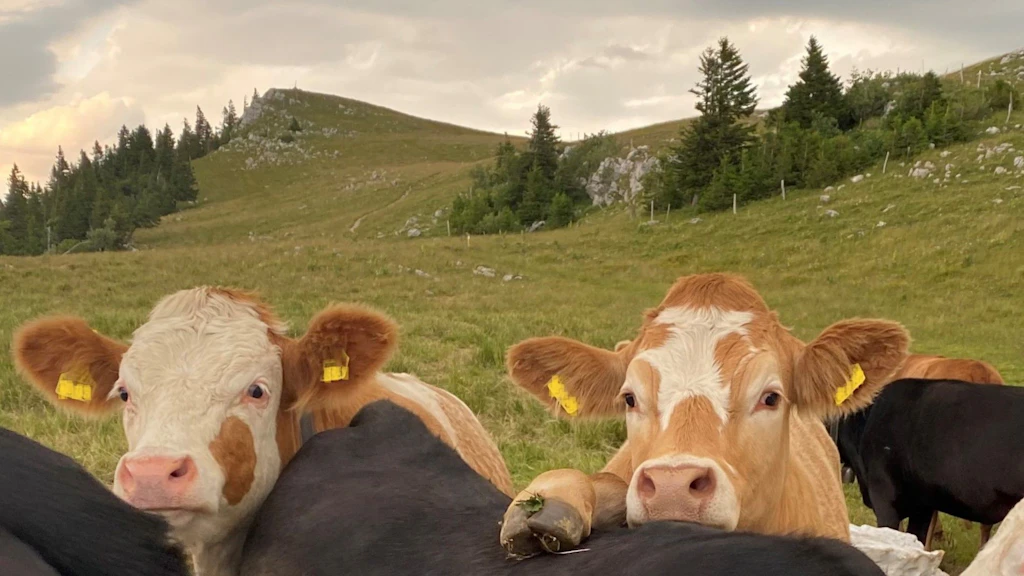
Eradication of bovine viral diarrhoea (BVD) in Switzerland
Before the eradication programme was launched, the economic losses due to BVD on Swiss cattle farms amounted to several million Swiss francs per year. This prompted various national breeding associations to call for the eradication of BVD in the Swiss cattle population.
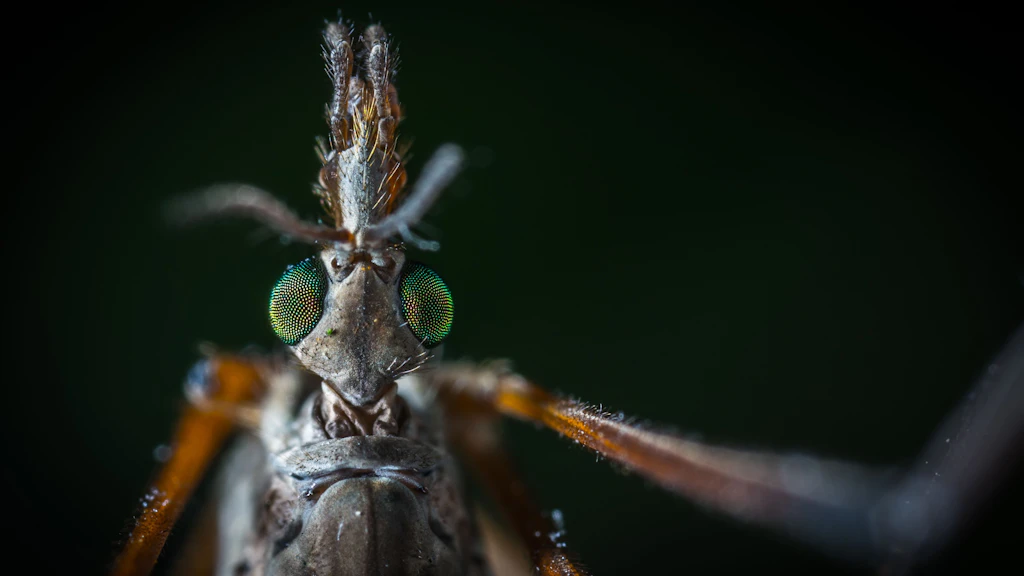
Viruses transmitted by ticks and mosquitoes pose an increasing threat
Zoonotic flaviviruses are usually transmitted by ticks or mosquitoes and cause severe encephalitis, foetal damage or haemorrhagic fever in humans and animals. Some of these flaviviruses pose a growing threat to humans and animals in Europe due to the increasing spread of vectors (ticks and mosquitoes) as a result of global warming and globalisation. The detection of West Nile virus (WNV) in native mosquitoes in Switzerland in 2022 increases the risk of home-grown cases in animals or humans.
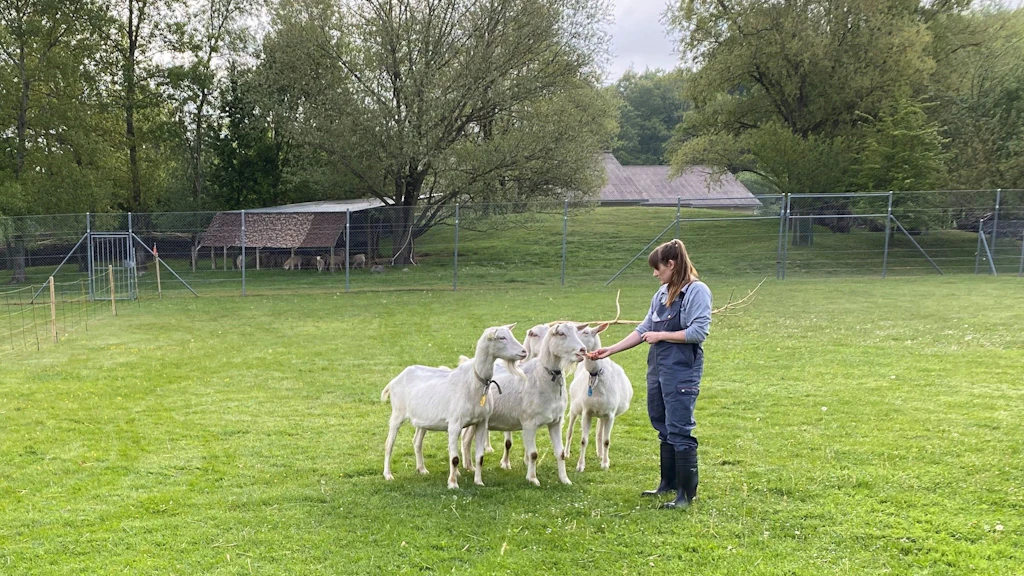
The IVI experimental farm – animal experiments and alternatives
Experiments on the immune cells of the natural host and on animals themselves are essential in order to study these infectious diseases. In vitro models do not yet allow us to assess the mechanisms and severity of a disease associated with a viral strain, or the immune response and the protective effect of potential vaccines. In these cases, therefore, animal experiments are necessary. All animal experiments in Switzerland are subject to a strict licensing procedure under the Federal Act on Animal Protection. First and foremost, in order to respect the first «R» of the 3Rs principle (Replace, Reduce, Refine), a study involving animals is permitted only if no alternative method is available to answer the research questions. Once the absolute necessity of an animal experiment has been established, an independent cantonal commission scrutinises the application. The latter must justify the objectives and the minimum number of animals (Reduce), and show that the methods used respect animal welfare as far as possible (Refine). No licence can be issued until such an assessment has been completed. A weighing up of interests enables us to determine whether an animal experiment may be licensed and carried out.If a question can be answered using permanent animal or human cell lines, or even using an entirely synthetic approach, these must be prioritised, as they minimise the use of animal experiments. However, it is often necessary to use primary cells. To this end, IVI animals undergo regular blood sampling, a procedure that is also subject to licensing and has a severity level of 0. The primary cells obtained in this way are used to: