The term «influenza virus» covers a wide range of viruses characterised by a genome consisting of seven or eight segments of single-stranded RNA. The influenza viruses are currently divided into four genera: influenza A, B, C and D, all of which belong to the orthomyxovirus family of viruses. Influenza B and C viruses are almost exclusively human-pathogenic. Discovered only recently, influenza D viruses mainly infect and replicate in cows, sheep and other large mammals.
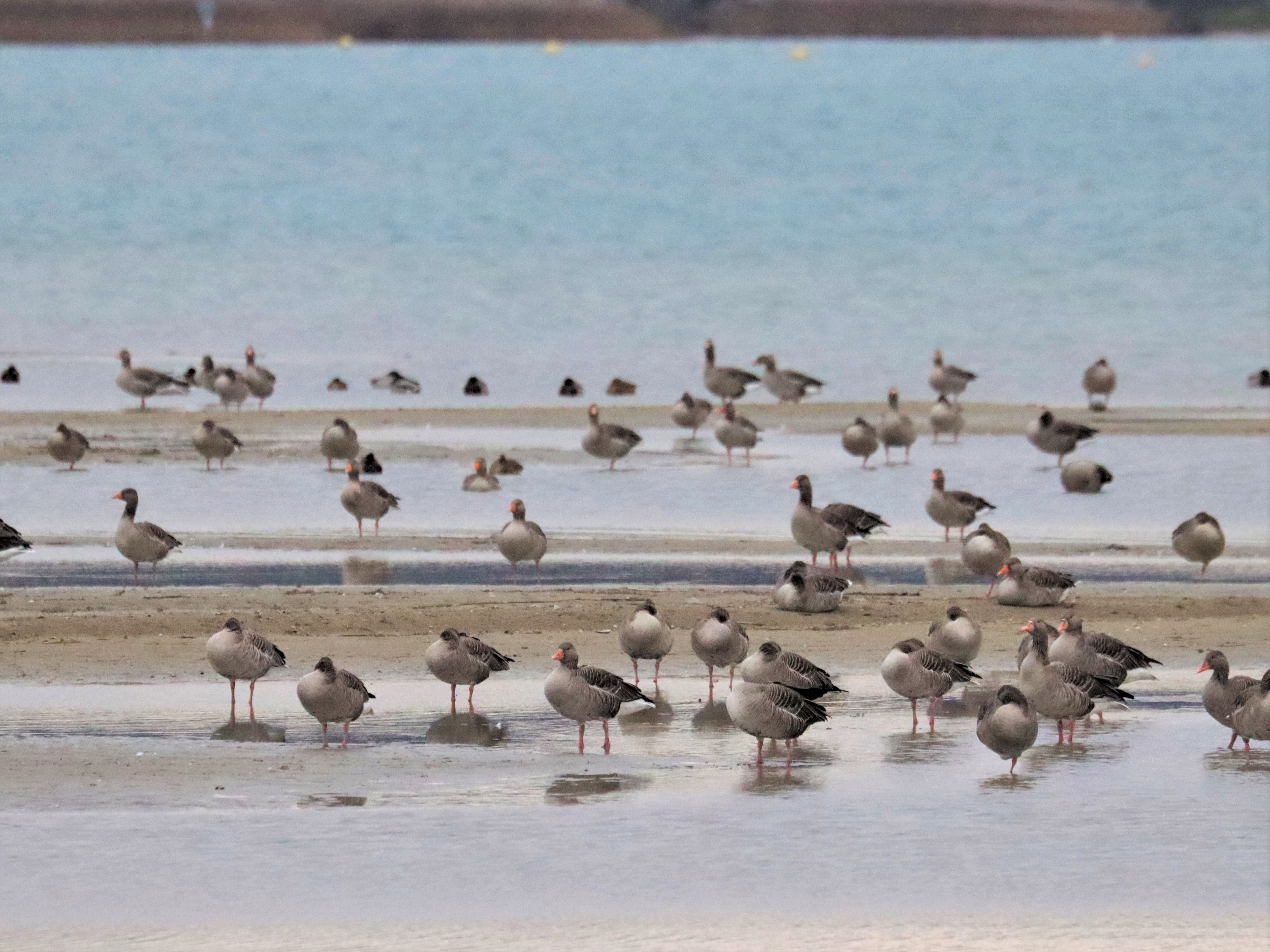
Influenza A viruses are the largest genus of orthomyxoviruses. Wild birds, especially waterfowl, are a natural reservoir for influenza A viruses. Avian influenza viruses generally do not cause any symptoms in their natural host. However, some of these viruses can mutate into highly pathogenic forms that cause an invariably fatal disease in wild birds, but especially in poultry. Known as «classical avian influenza», this is a highly contagious notifiable epizootic disease.
Influenza A viruses have also become established in various mammal species and in humans. Human influenza A viruses, together with influenza B viruses, cause seasonal flu epidemics every year, which can be particularly severe in older people and those with other illnesses.
Haemagglutinin (HA) and neuraminidase (NA) are the dominant membrane proteins in the lipid envelope of influenza viruses and are important targets of the host’s immune response. However, both antigens are subject to constant change or «antigen drift» due to mutation of certain areas, enabling the viruses to evade the host’s immune response. Both HA and NA occur in influenza A viruses as different subtypes which differ significantly in terms of both serology and phylogenetics. Various influenza A viruses circulate in the avian world, representing 17 different HA subtypes (H1-H16 + H19) and 9 different NA subtypes (N1-N9) in different combinations. In the human population, in contrast, only influenza A viruses with the combinations H1N1 and H3N2 are currently circulating. As a consequence, a large proportion of the population has no immune protection against other subtypes (e.g. H7N9). Only highly pathogenic avian influenza virus strains (HPAI) of either the H5 or H7 subtype have been found in nature to date. By analysing a particular section of the genome, it is possible to differentiate genetically between highly pathogenic and low pathogenic avian influenza viruses. Fortunately, the species barrier for avian influenza viruses is fairly high, so avian influenza viruses only rarely manage to multiply in the human body. In most cases, the viruses first need to adapt to the new host.
In rare cases, avian influenza A viruses successfully infect mammals that are already very susceptible to both avian and human influenza A viruses, such as pigs or martens, even without adaptation. If such a host is infected simultaneously with a human and an avian influenza A virus, gene segments can be exchanged between the two viruses. If this affects the RNA segments that code for HA and/or NA, it can create viruses that are immunologically «unknown» in the human population. The influenza pandemics of the past can almost always be traced back to an «antigen shift» of this type.