

The IVI experimental farm – animal experiments and alternatives
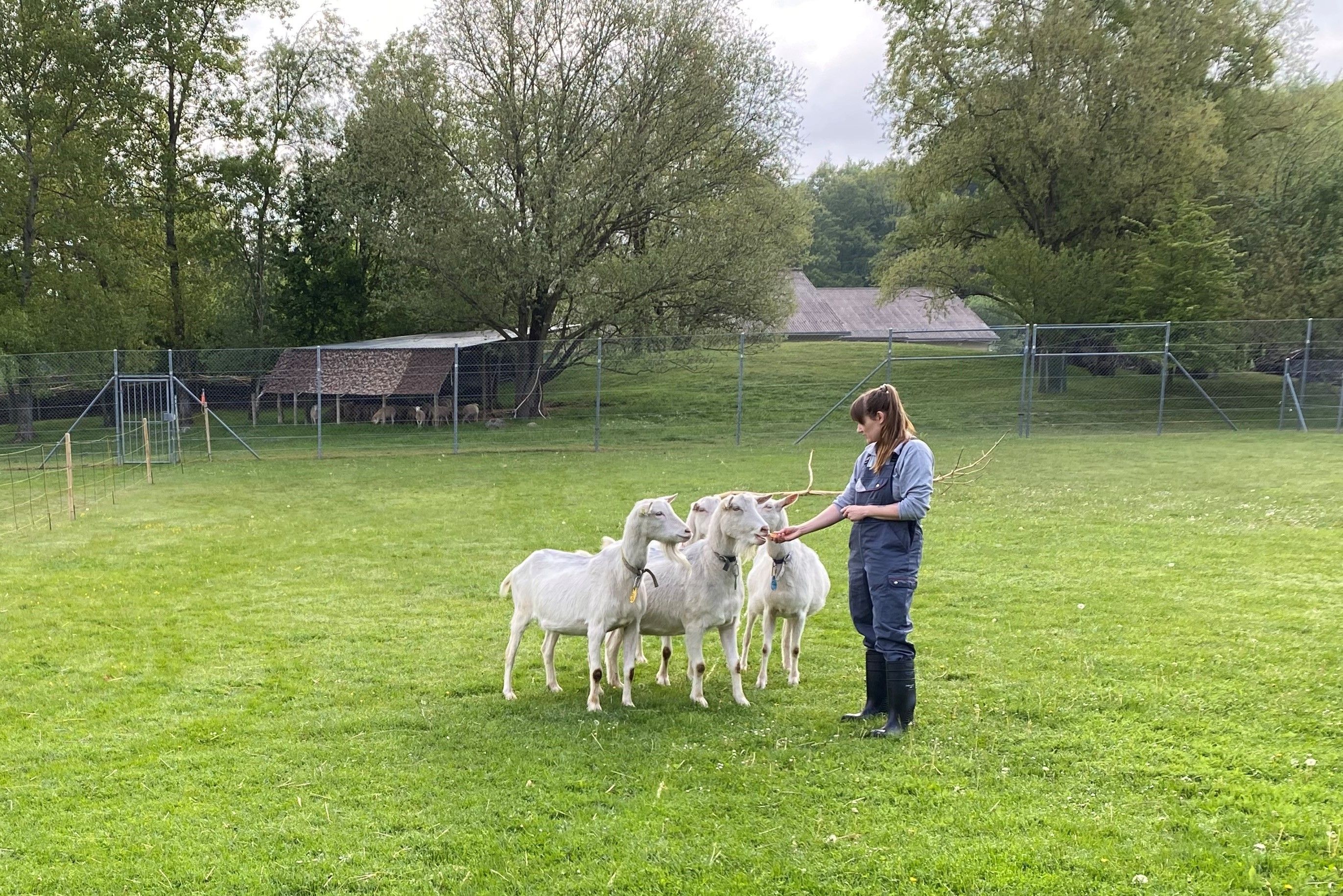
Experiments on the immune cells of the natural host and on animals themselves are essential in order to study these infectious diseases. In vitro models do not yet allow us to assess the mechanisms and severity of a disease associated with a viral strain, or the immune response and the protective effect of potential vaccines. In these cases, therefore, animal experiments are necessary.
All animal experiments in Switzerland are subject to a strict licensing procedure under the Federal Act on Animal Protection. First and foremost, in order to respect the first «R» of the 3Rs principle (Replace, Reduce, Refine), a study involving animals is permitted only if no alternative method is available to answer the research questions. Once the absolute necessity of an animal experiment has been established, an independent cantonal commission scrutinises the application. The latter must justify the objectives and the minimum number of animals (Reduce), and show that the methods used respect animal welfare as far as possible (Refine). No licence can be issued until such an assessment has been completed. A weighing up of interests enables us to determine whether an animal experiment may be licensed and carried out.
If a question can be answered using permanent animal or human cell lines, or even using an entirely synthetic approach, these must be prioritised, as they minimise the use of animal experiments. However, it is often necessary to use primary cells. To this end, IVI animals undergo regular blood sampling, a procedure that is also subject to licensing and has a severity level of 0. The primary cells obtained in this way are used to:
- identify the species at risk (host range)
- determine the target cells/organs in the animal, and in humans in the case of zoonoses
- study the fundamental mechanisms of viral infection
- test substances with therapeutic potential (drug screening)
- develop fresh tissue cultures or three-dimensional co-cultures of different cells with organ-like properties (organoids). Used today in the fight against coronavirus, these models are highly promising for studying the properties of zoonotic viruses such as avian or swine influenza, West Nile fever, Japanese encephalitis, Zika fever and Mpox.
The IVI is part of the STAAR initiative (Swiss Transparency Agreement on Animal Research) which aims to improve communication and transparency regarding the use of animals in research. It brings together both public and private organisations that either carry out, are involved in and/or fund animal research or institutions which breed or supply animals.
Our activities at a glance
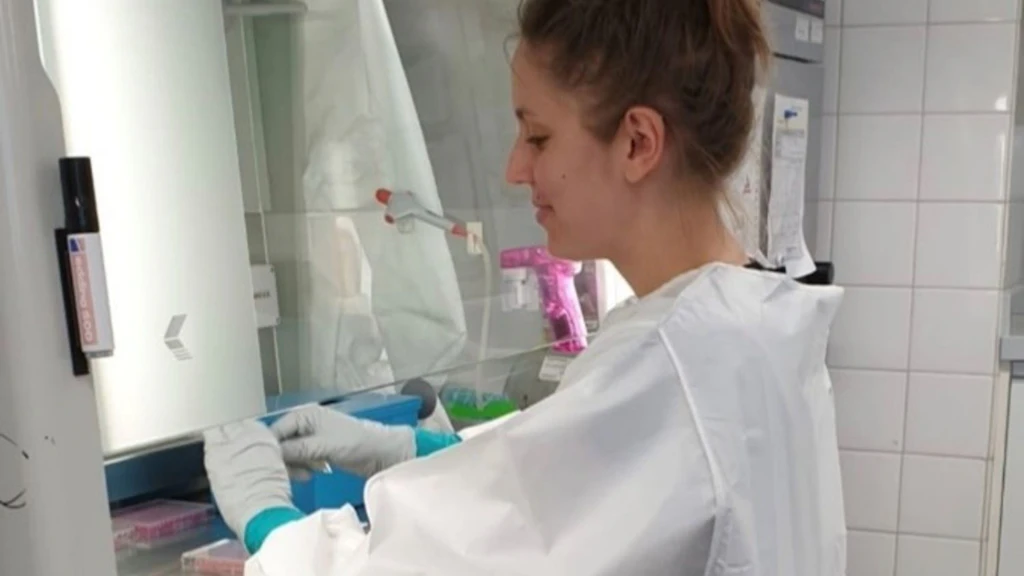
Blog Isabel Schultz-Pernice – Organoids
“We anticipate that our findings will contribute to a deeper understanding of the pathologies associated with monkeypox virus, tick-borne encephalitis virus, and Zika virus […]”
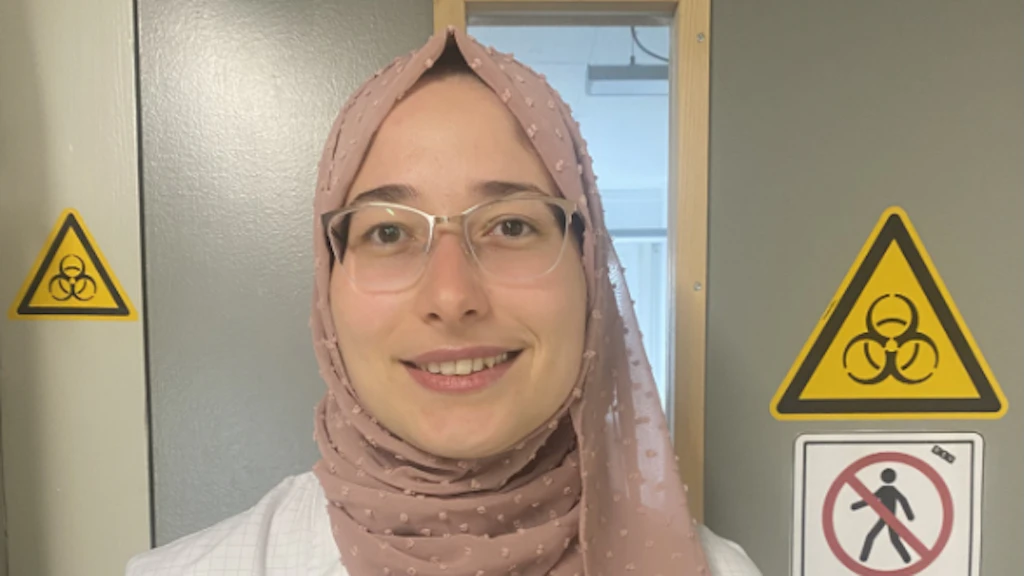
Blog Amal Fahmi – Organoids
“We showed that SARS-CoV-2 can infect the human placenta and that West Nile virus also has placental infection characteristics".
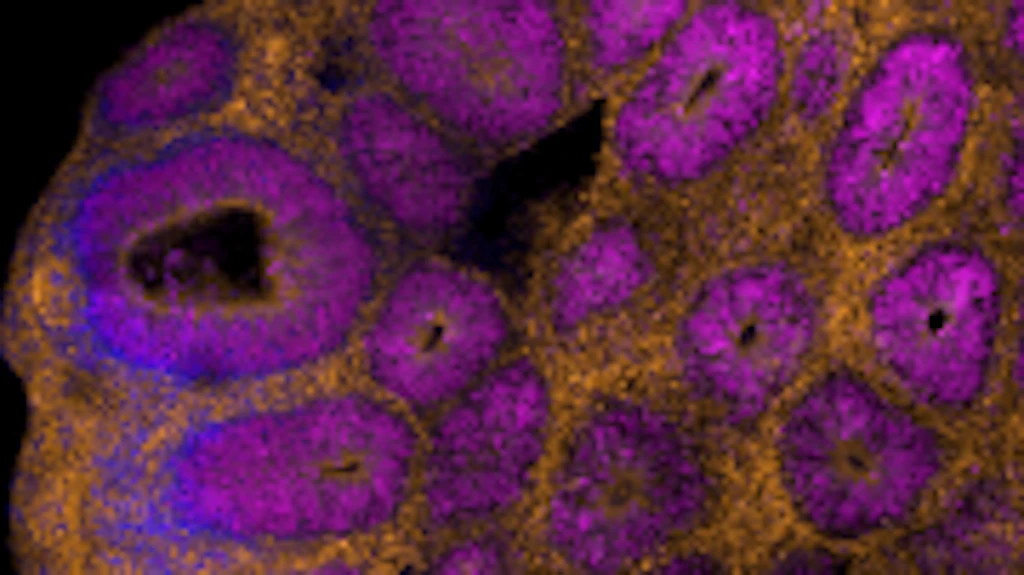
Research methods also vary
Marco Alves from the Institute of Virology and Immunology (IVI) and the University of Bern has been researching using organoids since 2017, focusing primarily on the effects of zoonotic viruses on humans. Interview with Nicole Jegerlehner, ASMV
The in vitro research was recognised for the development of an alternative method to animal experimentation

Marco Alves has decided to use the whole amount of the CHF 10'000 prize to finance in vitro research projects.
Publications linked with the prize:
SARS-CoV-2 can infect and propagate in human placenta explants
Generation of precision-cut slice cultures of human placenta
Novel in vitro model: an alternative method to animal testing
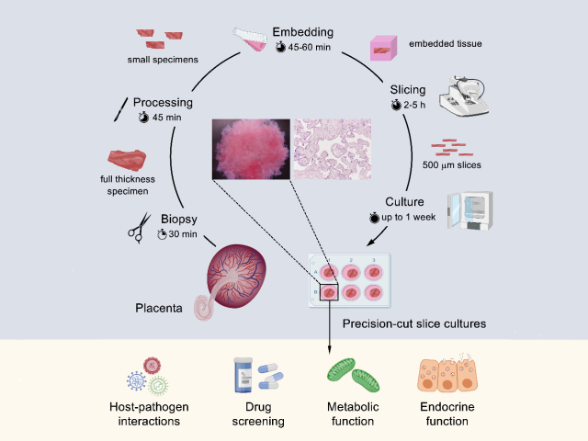
As part of the research on the human placenta as a target of SARS-CoV-2 (Fahmi et al, 2021), the research team of PD Dr. Marco Alves (Institute of Virology and Immunology IVI and the University of Bern) has developed an in vitro model of the human placenta. This physiological model provides a platform that paves the way for a significant replacement of in vivo approaches when evaluating pathophysiological mechanisms of virus infection during pregnancy. This new model contributes to promote the 3R Principle that aims to replace, reduce, and refine animal experimentation, and more particularly the principle of replacement.
By publishing the exact method, as developed, in the scientific journal STAR Protocols (Fahmi et al., 2022), other research teams will be able to reproduce this technique – which ultimatly may help to reduce the use of animals whenever possible.
Animal experimentation is applied to address a biological problem when no alternative method exists. The Institute of Virology and Immunology IVI is committed to the development of alternative methods.
Caption:
Method of the novel in vitro model: from placental sampling to tissue culture, thereby enabling subsequent studies of the human placenta, for example after an infection from SARS-CoV-2.
The human placenta, a target of SARS-CoV-2
What happens in the human placenta after SARS-CoV-2 infection? The IVI and CHUV research teams found that SARS-CoV-2 can infect the cells of the human placenta and that the virus can proliferate and infect neighboring placental cells. The human placenta, a target of SARS-CoV-2