

Specialist publications
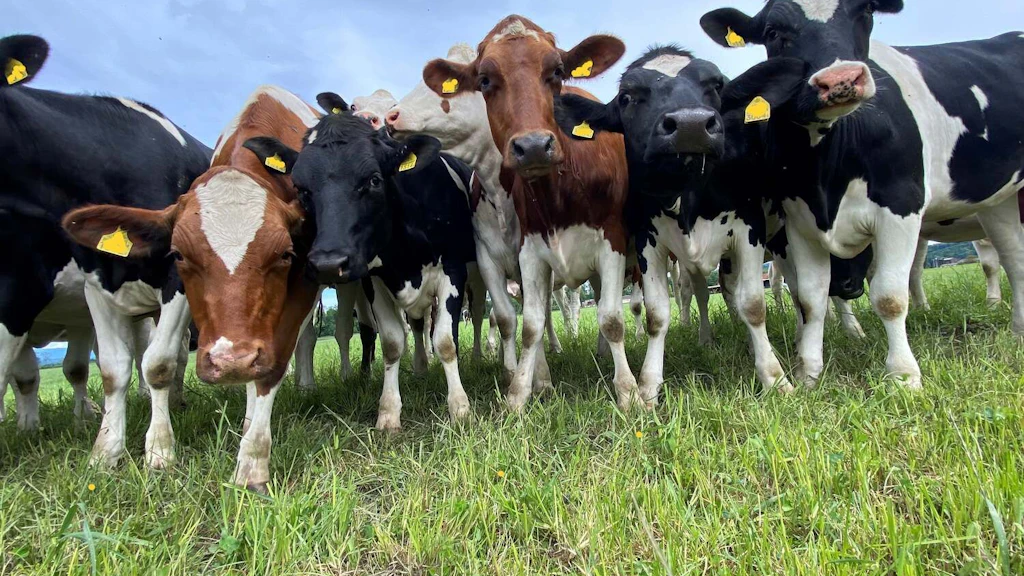
On the trail of pestiviruses: deciphering their immune evasion strategies using fluorescent markers
With the development of the GFP-tagged pestivirus, we now have a new tool at our disposal to study the interactions between the virus and its host, and thus to understand the reasons behind these viruses’ success in their host population.

New vaccination strategies are highly effective against mutating influenza viruses in pigs
The findings demonstrate that prime–boost vaccination strategies are critical for inducing effective antibody responses against antigenically drifted influenza viruses.
What SPF and farm pigs teach us about protective immunity against African swine fever
The SPF-IVI pigs: to study their immune response, the IVI has bred pigs for many years under exceptional experimental sanitary conditions characterised by the absence of swine pathogens. This special sanitary statute is associated with a particularly naïve immune system with a response to ASF virus infection that has enabled fundamental advances described in this project.
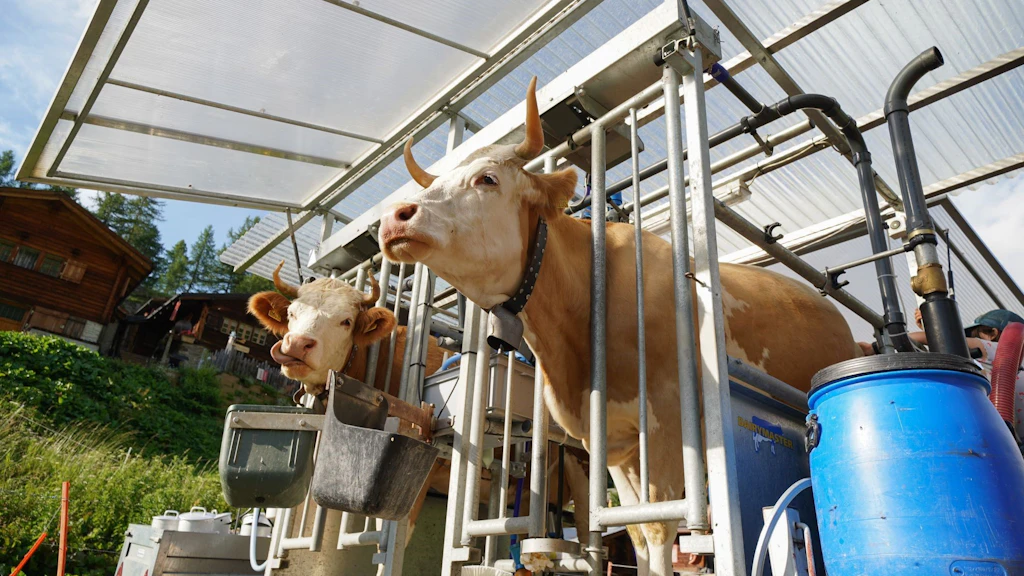
Studies on the stability of H5N1 influenza viruses in raw milk products
An infection of dairy cows with the H5N1 avian influenza virus was first observed in the USA in 2024. The milk of the infected animals contained large quantities of infectious viruses.
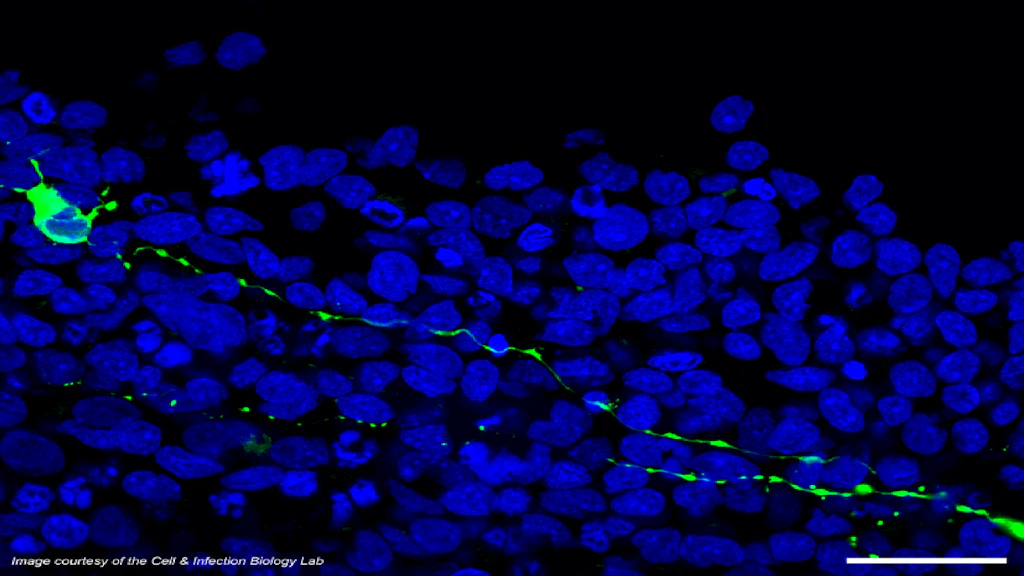
Can the Mpox (Monkeypox) virus spread in the human brain?
Can the monkeypox virus spread in the human brain? Researchers have discovered that the monkeypox virus (MPXV) can spread efficiently in brain organoids, leading to neuronal cell death.
.png?rect=0%2C78%2C1500%2C844&w=1024&auto=format)
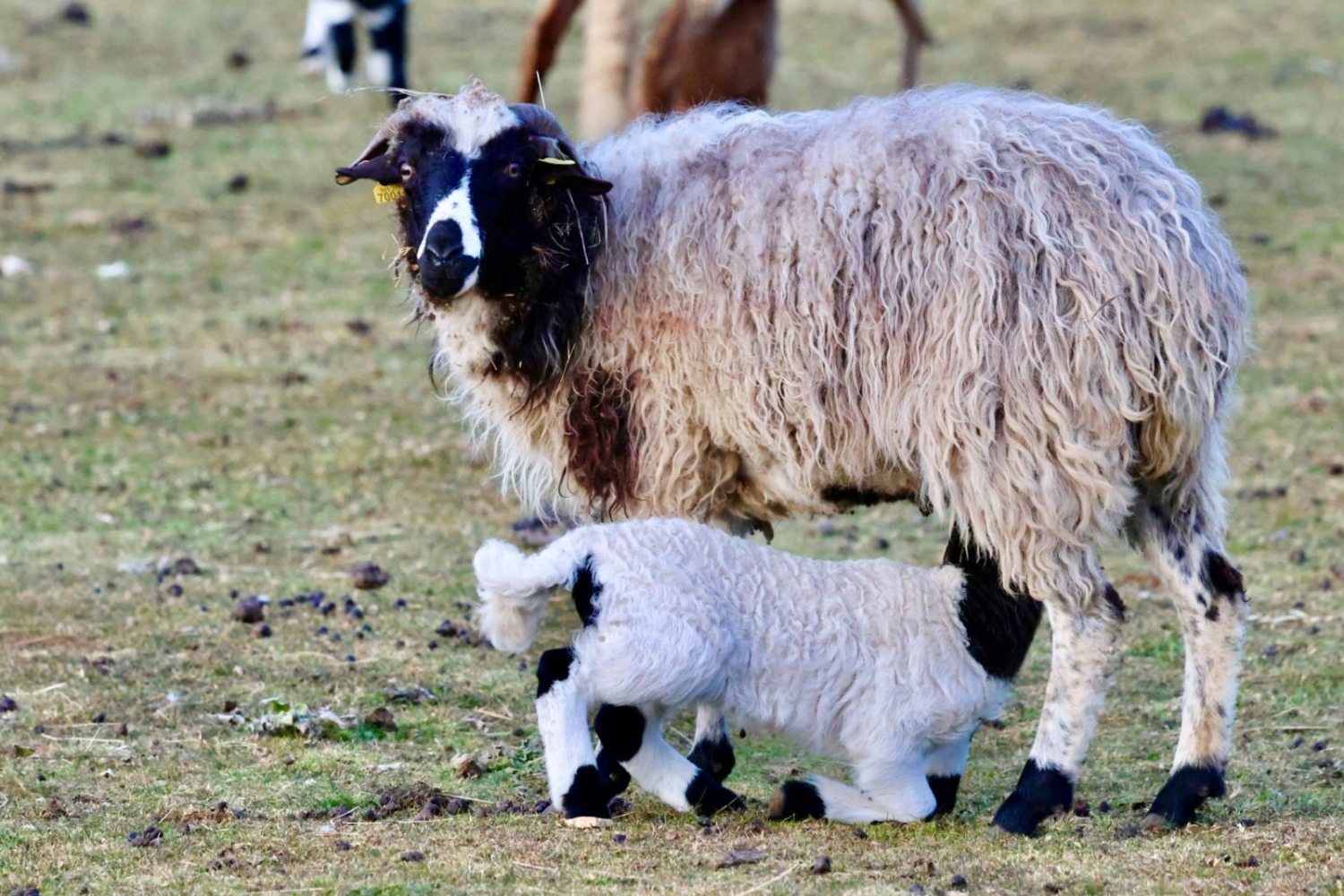
Ewe-to-Lamb Transmission of Wesselsbron Virus: A Neglected Flavivirus in Focus
This study reveals a previously unknown mode of transmission of WSLV from lactating ewes to their lambs, highlighting an unrecognized risk for public and animal health associated with consumption of raw milk products. It also shows for the first time that strains of WSLV have different tropisms for the liver or brain.
Novel recombinant vaccines provide improved protection against influenza in piglets
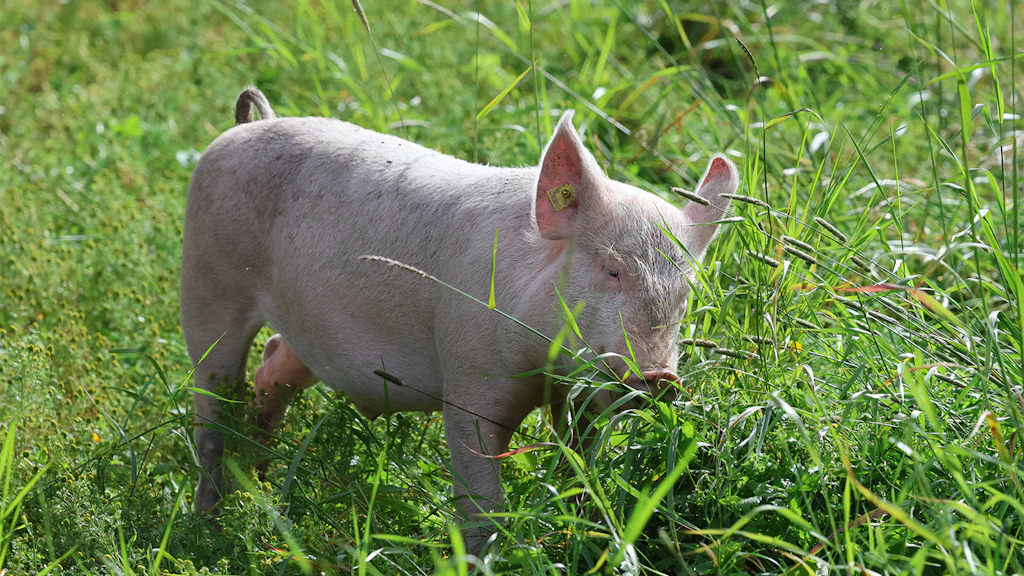
Chronic infection of pig herds with influenza A viruses is difficult to control using commercial vaccines based on inactivated influenza viruses. This study therefore sought to compare two new candidate vaccines with inactivated influenza vaccines.

Research project: vaccination of zoo birds against highly pathogenic avian influenza
Avian influenza : in order to test this promising, innovative vaccine for the protection of zoo birds, a joint research project has been carried out by Bern Animal Park, Basel Zoo and the Institute of Virology and Immunology IVI. The aim was to show that endangered wild bird species kept in zoos can be protected effectively, thus guaranteeing their welfare.
All of the IVI's scientific publications since 2014 can be found here