Blog Nathan Leborgne – Serpins

Immune system research: the importance of serpins
The cells of the immune system protect the body against various pathogens such as bacteria, viruses and fungal agents. To do this, they carry an arsenal of molecules and enzymes designed to fight these pathogenic micro-organisms. Among the most active enzymes are the proteases, which digest the proteins in the micro-organisms, killing them or destroying their toxins.
The proteases in immune cells, however, are like a double-edged sword as they can also damage the cells that carry them. For this reason, they are kept compartmentalised in vesicles inside the cells, which only release their contents when facing a threat.
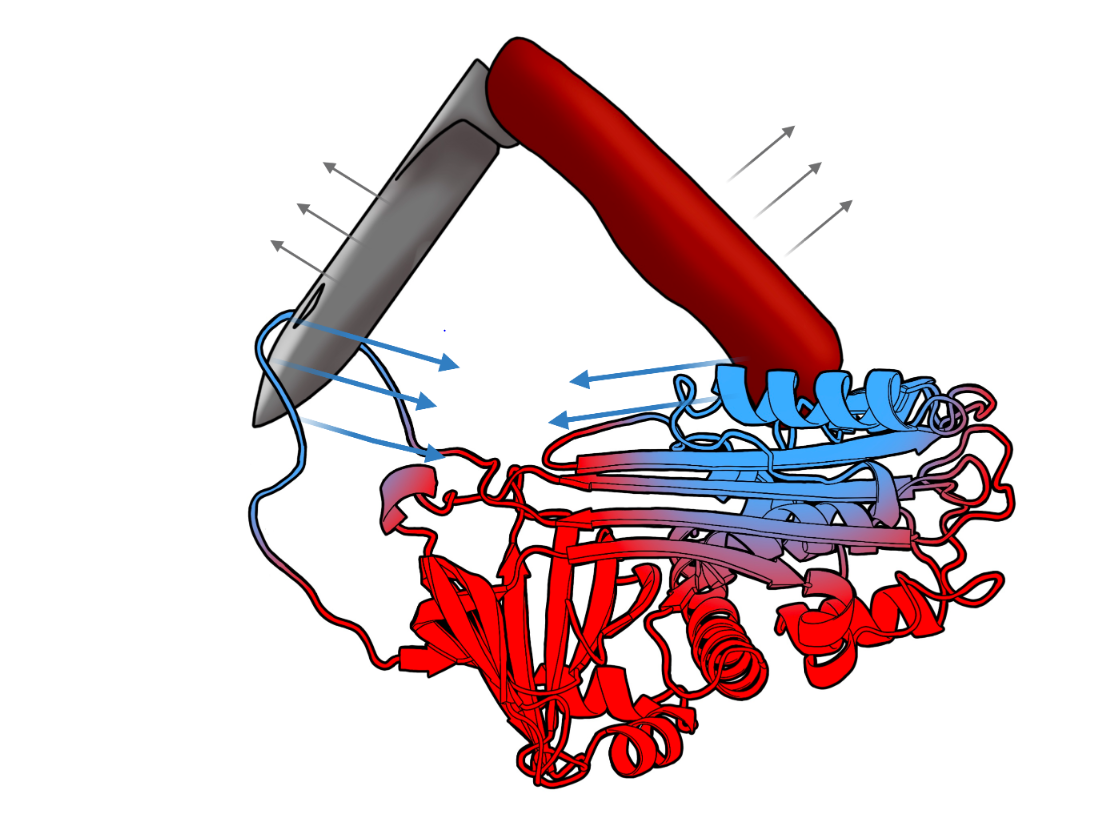
By studying a family of molecules contained in the immune cells, the research group led by Prof. Dr med. vet. Charaf Benarafa has discovered the role of a second layer of protection against these powerful proteases: the serpin family. The serpins (an acronym derived from serine protease inhibitors) protect the body’s cells against their own internal weapons.
Nathan Leborgne’s thesis showed that serpins also play a key role in the regulation of inflammatory processes independent of cell death and opened up new avenues for research into the regulation of the body’s response to infection.