

Keynote speakers Epizone 2026
%20(002).jpg?w=1024&auto=format)
Wim van der Poel is professor of Emerging and Zoonotic Viruses at Wageningen University and Research, the Netherlands. He is a Doctor in Veterinary Medicine and obtained his PhD in virology at Utrecht University in 1995. In 2018 he joined the European College of Veterinary Microbiology (ECVM). His research interests have focused on detection and characterization of new and emerging viruses, including zoonoses. He has worked on emerging viruses research for more than 30 years and has been involved in many international research projects and networks including the EJP One Health, the Netherlands Center for One Health (NCOH), PREZODE and the Global One Health Research Partnership (GOHRP). Until 2024 he was Coordinator of the EPIZONE European Research Group. Wim van der Poel relies on a vast network of professional experts in the specific areas of emerging and zoonotic viruses; foodborne viruses and One Health.
Abstract – Hepatitis E Virus, an exemplar of One Health Challenges
Hepatitis E virus (HEV), family Hepeviridae, is a non-enveloped RNA virus and a main cause of hepatitis. In industrialized countries this is mainly due to infections of zoonotic origin resulting in single cases worldwide. Within the species Orthohepevirus A, genotypes 3 and 4 have a main reservoir in domestic swine and this leads to contaminations in the food chain. The virus may be transmitted to humans by pork products and by-products and different types of foods like shellfish, fruits, vegetables, water as environmental route may be involved. Recently, a rat HEV (genus Rocahepevirus) has been identified showing zoonotic potential.
In immunocompromised and liver disease patients, HEV infections can be very serious and fatal. Strategic antiviral therapy currently is the treatment of choice for patients chronically infected with HEV. In specialised hospitals such treatment is often successful but may be long-term and costly. Bloodborne transmission of the virus has been reported with a significant medical concern, which made a number of European countries decide to test blood donations for HEV positivity.
Control of zoonotic HEVs clearly needs a One Health approach, because of the multiple animal reservoirs, the virus’ stability in the environment and the various transmission routes. Focal points for control along the food chain depend on the type of food and the stage in the food production process. Best feasible inactivation methods include heating at plus 71C, chlorine treatment and UV light. There is a need for sensitive and broad testing of food items that may be implicated in acute HEV infection.
Besides control options at the pork retail level and by the consumer it is important to try to reduce HEV in primary production and the whole swine reservoir. Raising the level of infectious disease control management on swine farms is indicated, so farms should review and tighten their biosecurity protocols and animal movement practises, and be especially diligent about visitors and supplies, feed ingredients, food items, etc.
Wim H.M. van der Poel, Wageningen University and Research, Houtribweg 39, Lelystad, Netherlands, email: wim.vanderpoel@wur.nl, Tel. +31320238383

Martin Eiden obtained his Diploma in Biology from the University of Würzburg in 1994, followed by a Ph.D. in Biochemistry from the University of Regensburg in 1998. Since 1999 he has been working at the Friedrich-Loeffler-Institut (FLI), Institute of Novel and Emerging Infectious Diseases (INNT), where he serves as Group Leader and Head of the National Reference Laboratories for Rift Valley Fever Virus and Hantaviruses.
Abstract – Emerging and neglected threats: the example of Hantavirus in Europe
Hantaviruses are globally distributed rodent-borne zoonotic viruses, with Puumala virus causing most human infections in Europe, followed by Dobrava-Belgrade virus while Tula and Seoul viruses cause sporadic cases. Persistent infection of specific rodent reservoirs and virus shedding through excreta enable transmission to humans mainly via inhalation of contaminated aerosols. Transmission risk is determined by rodent population dynamics, environmental virus persistence and stable virus circulation in endemic regions. Human infections exhibit marked temporal and geographic variation, with recurrent hotspots in Central Europe. Understanding these drivers of hantavirus circulation is essential for surveillance, outbreak prediction and One Health prevention.

Dr Eva Veronesi, Institute of Microbiology, Department of Environment, Constructions, and Design. University of Applied Sciences and Arts of Southern Switzerland, Mendrisio (CH).
I am a medical and veterinary entomologist with 30 years of experience in the control and preparedness of vector-borne diseases.
My field of expertise is surveillance and control of local and invasive mosquitoes. In the last twenty years, I have focused my research on the interaction between pathogens and vectors, investigating transmission mechanisms and aspects of vector competence for several viruses (dengue, Zika, chikungunya, west Nile, bluetongue, African horse sickness, lumpy skin, epizootic haemorragic disease) and vectors (mosquitoes, Culicoides). In my career, I have held several roles, including project manager, group leader, student and staff supervisor, private consultant, reviewer of publications, theses, and scientific reports, and coordinator of clinical trials for vaccine efficacy tests for government, research institutes, universities, NGOs, and private industries.
I served as a consultant, project evaluator, and advisor for several organisations (World Health Organization, Federal Food Safety and Veterinary Office, European Food Safety Authority, Food and Agriculture Organization, International Atomic Energy Agency) on revising and editing protocols, standard operating procedures, guidelines, and risk assessment plans for emerging diseases complying with the One Health perspective. From 2023 to 2028 I was the Director of the European Society for Vector Ecology (E-SOVE) the most relevant society in Europe for vector ecology.
I am now working in the biosafety unit at the Institute of Microbiology of the Department of Environment, Constructions and Design of the University of Applied Science and Arts of Southern Switzerland (SUPSI). Here, I coordinate two projects on emerging vector-borne epidemics (dengue and West Nile virus) funded by the European Commission (HorizonEurope), a project funded by the Federal Food Safety and Veterinary Office on Culicoides vector of bluetonge disease, and a project on the impact of biopesticides on public health and the environment funded by the Swiss National Research Foundation.
I authored more than 50 papers and two book chapters. I specialize in working under biosafety containment level 3, providing courses on how to setup arthropod containment laboratories and to work in these facilities including conducting risk assessments for new facilities.
Abstract – How can we control vector-borne disease? Experiences from Switzerland
Vector-borne diseases (VBDs) are among the fastest-growing public and animal health challenges in Europe. Climate change, increasing global connectivity, land-use changes, and the expansion of competent vectors are reshaping the epidemiology of many pathogens, making traditional reactive approaches increasingly insufficient. Effective control requires moving from outbreak response to anticipation through integrated surveillance, early warning systems, and coordinated One Health strategies. Switzerland, and particularly the Canton of Ticino, represents an ideal natural observatory for these challenges. Located at the interface with northern Italy, where arboviruses such as West Nile virus (WNV) and bluetongue virus (BTV) have recently emerged, the region offers a unique opportunity to develop and evaluate surveillance systems capable of detecting pathogens before widespread transmission occurs. Drawing on the experience of the Institute of Microbiology at SUPSI, this keynote will illustrate how integrated surveillance—combining medical and veterinary entomology, molecular diagnostics, epidemiology, and cross-border collaboration—can strengthen preparedness against emerging vector-borne diseases. The lecture will present ongoing activities targeting both vectors and pathogens, discuss the key components required for effective VBD control, and highlight how surveillance should evolve from a monitoring activity to an operational decision-support system capable of guiding timely public health interventions.

Filipa Matos Baptista, DVM, PhD, MBA, is an Assistant Professor at Nova SBE and Chief of Staff to the Managing Board at Siemens Healthineers, global med tech company. With over 15 years of leadership across health technology, corporate strategy, and academia, her work bridges digital health innovation, executive management, and scalable artificial intelligence applications in global healthcare.
Abstract – How Artificial Intelligence is Redefining Research, Diagnostics, and One Health
Artificial Intelligence is driving a fundamental shift in global health, enabling a transition from reactive measures to proactive prediction. This keynote explores emerging how AI architectures, from 3D molecular folding engines to agentic surveillance networks, are accelerating pathogen discovery, vaccine design, and point-of-care diagnostics. It highlights the role of multimodal data integration across human, animal, and environmental domains in advancing One Health security. Finally, it addresses critical operational and ethical challenges, outlining strategic frameworks required to transition AI innovations into scalable, trusted real-world health interventions.
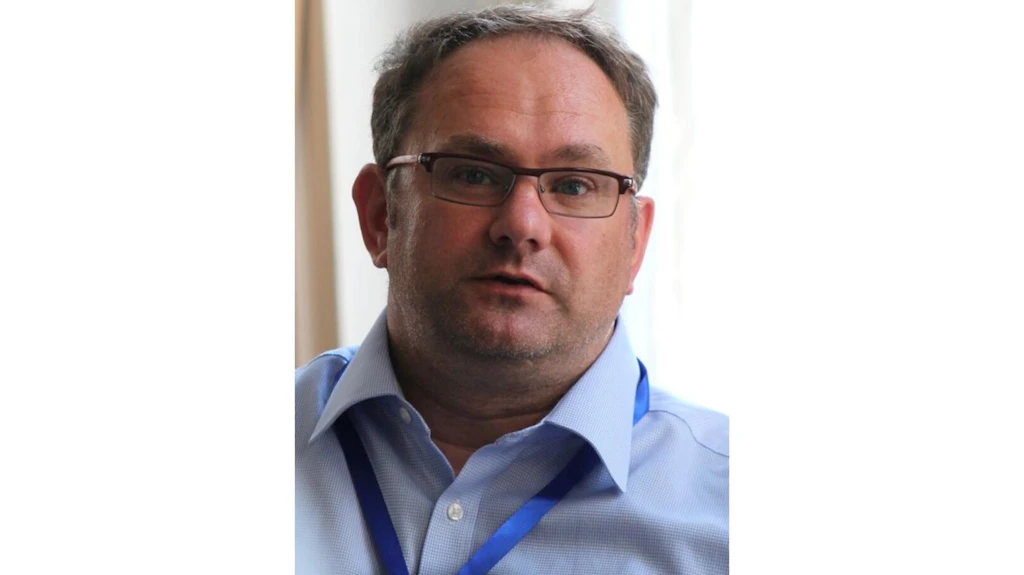
After gaining a BSc.VetMed. (Veterinary University Hannover), my Dr.Med.Vet. thesis at the ETH Zuerich/Faculty of Veterinary Medicine, Universityy of Zuerich, examined the impact of Bovine Leukaemia Virus infection on bovine macrophages. After stipends by the Swiss National Science Foundation (SNF), the German Research Foundation (DFG) and a Marie Curie Research Fellowship of the EU, I moved back to the ETH Zuerich as a Senior Scientist (Oberassistent). In 2001, I accepted an Assistant Professorship (Tenure Track) at the Institute of Virology (University of Berne), in the group of Thomas Jungi. In 2003, I accepted a Senior Lectureship at the Royal Veterinary College, and was promoted to Full Professor in 2007. The work my group is currently pursuing relates to mucosal immune systems, esp the innate immune side, the impact of microorganism on the development of the immune system, and how this knowledge can be used to enhance veterinary vaccines.
Abstract – Beyond animal testing: will organ technologies aid vaccine development?
Animal experiments date back to ancient Egypt and Greece and became central to physiological and pharmacological research during the 19th century. By the 20th century, they were systematically used in drug development, with agencies such as the FDA and EMA establishing preclinical testing guidelines following disasters including the 1937 sulfanilamide poisonings and the thalidomide tragedy. Animal testing has since remained the gold standard for assessing drug safety and efficacy. However, there are growing reasons to reduce animal experimentation. Preclinical testing can cost hundreds of thousands to millions of dollars per compound, while biological differences between humans and animals can limit the translation of findings to clinical settings. In some cases, alternative methods may outperform animal models. For example, in silico trials using human cardiomyocyte models predicted clinical arrhythmia with 89% accuracy, compared with 75% for animal models. Ethical concerns have also encouraged alternatives under the Three Rs principle: Replacement, Reduction, and Refinement. These include cell-based assays, organoids, 3D-bioprinted tissues, organ-on-chip systems, and computer modelling using artificial intelligence and machine learning. In my seminar, I will show some examples of where we stand with these technologies in veterinary medicine, how these can be used to develop “strategies” quicker, and what will be needed to obtain comparable data sets between different institutions.

Dr. Sophie Duraffour completed her PhD in tropical diseases in 2008 in France. Following ten years of research on poxviruses and antivirals at KU Leuven in Belgium, she specialized in viral haemorrhagic fevers and field genomics, with field experience spanning more than ten outbreaks in seven countries. Since 2022, she has led the Outbreak Preparedness and Response (OPR) and Mobile Lab units at the Bernhard Nocht Institute for Tropical Medicine (BNITM) in Hamburg, Germany. Her group develops laboratory capacity in challenging settings to strengthen the detection and genomic surveillance of emerging pathogens, and has contributed to nanopore field pipelines and to key findings on the circulation, emergence and persistence of Ebola virus, among other pathogens. The unit coordinates the European Mobile Laboratory (EMLab), which provides diagnostic capacity during health emergencies. As well as being a WHO/GOARN partner, the EMLab is a certified German asset within the European Union Civil Protection Pool (ECPP).
Dr Sophie Duraffour, Head of Outbreak Preparedness and Response (OPR) & Mobile Lab unit, Department of Virology, Bernhard Nocht Institute for Tropical Medicine (BNITM), Hamburg, Germany - Email: sophie.duraffour@bnitm.de
Abstract – One Health, One Lab? Mobile Labs in Human Outbreaks, and Their Potential for Veterinary Response
Mobile laboratories have become a standard component of outbreak response, bringing diagnostic and sequencing capacity directly to affected areas when local infrastructure is absent, overwhelmed, or too distant to support timely case management. Rapid response mobile laboratories (RRMLs) span a range of formats, from truck- or container-based units to lightweight kits deployable within days, each involving trade-offs between capacity, mobility and biosafety. The European Mobile Laboratory (EMLab), coordinated by the Bernhard Nocht Institute for Tropical Medicine, Germany, has been deployed to more than 15 outbreaks, mobilizing over 270 experts, and has provided diagnostics for high-consequence pathogens such as orthoebolaviruses as well as for emerging infections including SARS-CoV-2, alongside on-site genomic surveillance using nanopore field pipelines. This presentation will outline the EMLab concept, what deployment experience has shown about its strengths and limitations, and the conditions under which such a capacity is genuinely useful. It will close by opening the question of whether, and under what conditions, this model might translate to epizootic and transboundary animal disease outbreaks, where sample volumes, biosafety requirements, declaration mechanisms and the economic stakes of a result differ substantially from human outbreak settings.

Konstantia Tasioudi, DVM, MSc Mol Med, MSc SAB, PhD, EMBA is the Head of the Department of Molecular Diagnostics, FMD, Virological, Rickettsial and Exotic Diseases, Athens Veterinary Center, Ministry of Rural Development and Food, which is the NRL for several viral diseases including PPR, FMD, BT, AHS, ASF, CSF, SPPV, LSD.
Abstract – Responding to multiple outbreaks simultaneously: lessons learned from Greece
In recent years, global animal health authorities have faced an increasingly complex epidemiological landscape characterized not by isolated epizootic events, but by overlapping, multi-pathogen threats. Over the last three years, Greece has faced a continuous sequence of concurrent, high-consequence outbreaks—focusing on Peste des Petits Ruminants (PPR), Sheep and Goat Pox (SGP), African Swine Fever (ASF) and Bluetongue (BT) in 2024, SGP, ASF and BT in 2025, and SGP alongside Foot-and-Mouth Disease (FMD) in 2026.
Managing these simultaneous epizootics has placed unprecedented pressure on national veterinary services, Greek National Reference Laboratory (NRL), field personnel, and regulatory frameworks. By evaluating what worked, where bottlenecks occurred, and how emergency response structures adapted in real-time, key messages arise from the experience of the Greek NRL to better respond to future epizootic challenges.
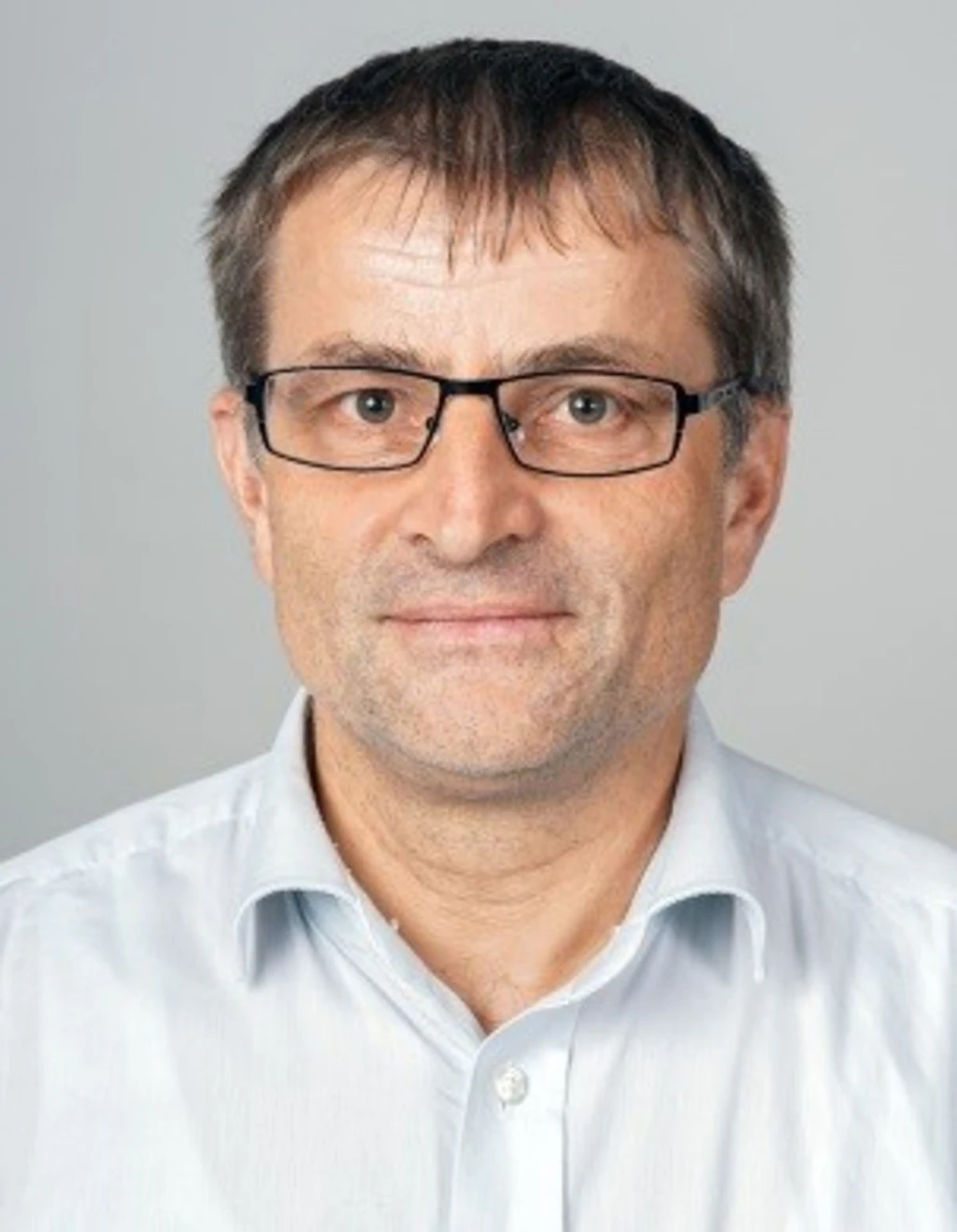
Prof. Dr. Jakob Zinsstag is a veterinarian with a PhD in tropical animal health. He spent eight years in West Africa at the International Trypanotolerance Centre in The Gambia and four years as the director of the Centre Suisse de Recherches Scientifiques in Côte d’Ivoire. Since 1998 he heads a research group on human and animal health at the Swiss Tropical and Public Health Institute. Since 2011 his is deputy head and since 2025 head of department of Epidemiology and Public Health at Swiss TPH. He focuses on the control of zoonoses in developing countries and the provision of health care to mobile pastoralists using a One Health approach. He is past president of the International Association for Ecology and Health and former president of the scientific board of the Transdisciplinary network of the Swiss Academies. He teaches One Health and Trandisciplinary theory and methods and is lead educator of massive open access online courses One Health: Connecting Humans, Animals and the Environment and Partnering for change: Link research to societal challenges . He is editor-in-chief of CABI One Health resources.
He received the Meritorious Award by the World Organization of Animal Health (WOAH) in 2023. He is a member of the One Health High Level Expert Panel (OHHLEP).
Abstract – Crisis Preparedness and One Health
While clinical medicine essentially concentrates on the human body and its parts, public health focuses on the health of human populations and their social and environmental determinants. Integrated approaches to health extend the focus of attention to humans in their socio-cultural and ecological environment and their mutual interdependencies, paying attention to inter-species interdependencies. Since the beginning of the 21st century, ecosystem approaches to health (EcoHealth), One Health and Planetary Health have emerged as integrated approaches that relate to and expand public health and related fields. In this talk we clarify their respective definitions, philosophical foundations and methodological positions. This clarification is important because the way we define integrated approaches to health shapes research, teaching methods and their translation into policy and practice. One Health is currently operationalized at the level of international organizations, regional organizations and national governments. Integrated approaches to health require urgent adoption and implementation for crisis preparedness at the level of integrated surveillance-response systems for pandemic prevention, vector borne zoonoses, biodiversity loss and antimicrobial resistance.