
Blog Melanie Brügger – RSV
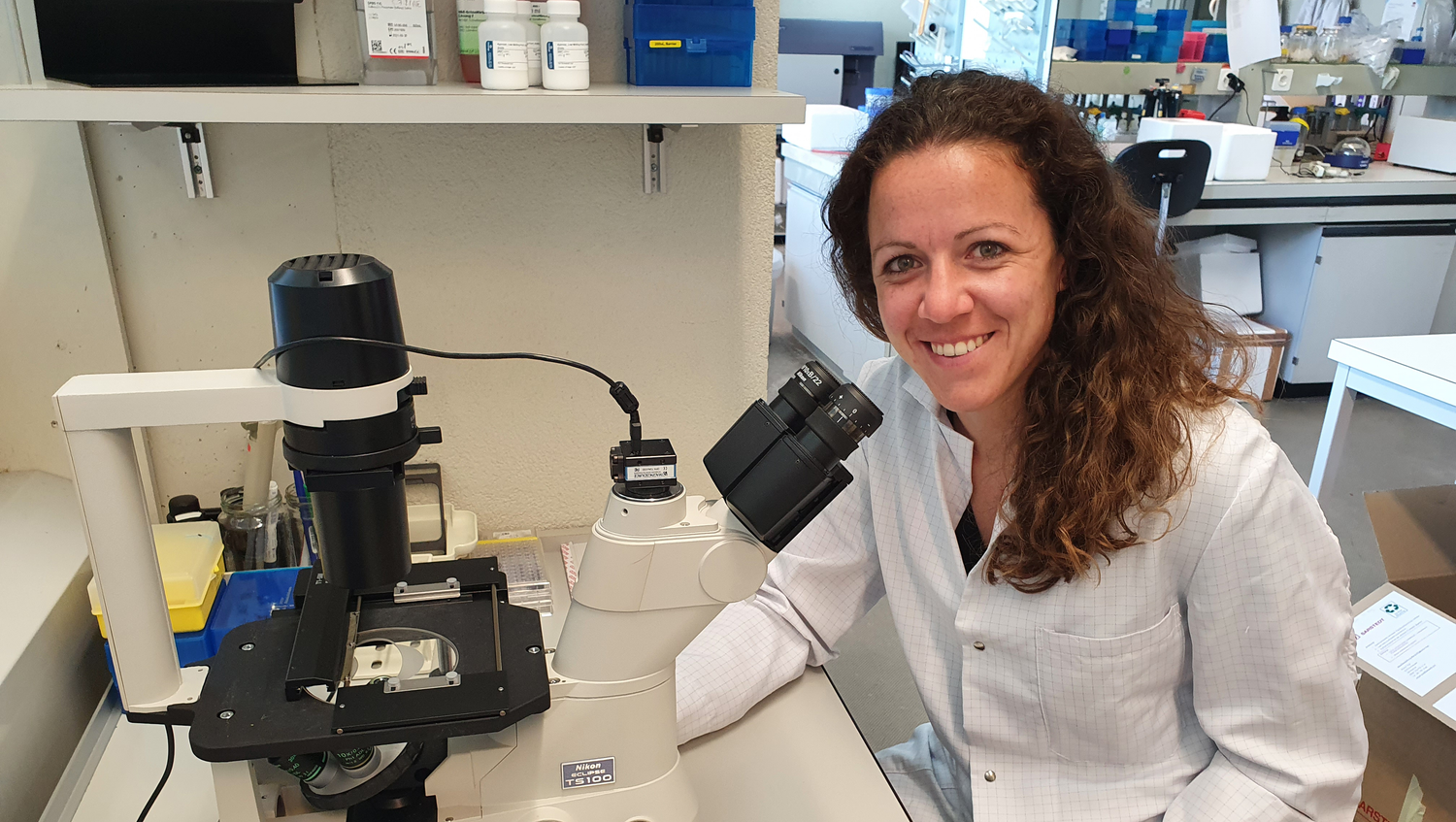
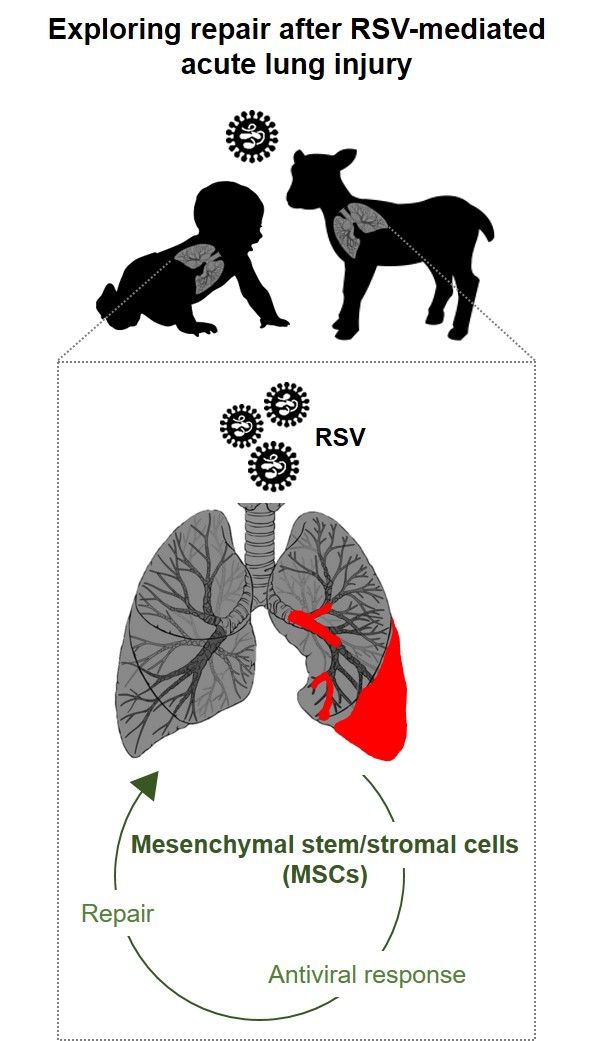
Exploring repair and regeneration after respiratory syncytial virus (RSV)-mediated acute lung injury
In the frame of a Swiss National Science Foundation project, the Institute of Virology and Immunology (IVI), more precisely the group of the immunologist PD Dr. Marco Alves, interrogated the pulmonary responses to respiratory syncytial virus (RSV) infection in early life. This work provides novel insights into the host’s contributing factors of RSV disease severity and points to an inappropriate immune response of the immature lung. Furthermore, we identified mesenchymal stem and stromal cells as key elements in repair and regeneration of the lung following RSV-mediated injury. «The PhD thesis work of Melanie Brügger provides new insights into the mechanisms of RSV pathogenesis during the critical period of early life and may have therapeutic implications», says PD Dr. Marco Alves thesis supervisor of Melanie Brügger.
Interview with Dr. Melanie Brügger
Glossary
The respiratory syncytial virus
The respiratory syncytial virus (RSV) is a major cause of severe lung infections in infants and young calves. In human, RSV is a seasonal virus with increasing numbers during the winter months. However, due to the COVID-19 pandemic associated measures, there were almost no RSV cases in the winter season 2020/21. Alarmingly, several countries across the world, including Switzerland, reported an increase of RSV infections this summer. In calves, RSV is a major cause of severe respiratory infections leading to bronchopneumonia.
Currently, no vaccine is approved for use in humans, and the vaccine used for young calves confers only short-term protection. This emphasizes the importance of studying this virus and its disease